
Best Energy Provider for Solar in Brisbane (2026 Guide)
The best electricity retailer for solar in Brisbane isn\u2019t the one with the 22c/kWh headline tariff — it\u2019s the one with the right combination of feed-in rate, cap, usage rate and daily supply charge for your household. Here\u2019s the honest 2026 SEQ comparison, with the traps that cost solar owners $400–$900/year.
6 min
—
10 FAQs
17 June 2026
Quick answer: the best electricity retailer for solar in Brisbane in 2026 isn't the one with the headline 22c/kWh feed-in tariff — it's the one with the right combination of feed-in rate, usage rate, daily supply charge, and a generous export cap for your household. The wrong choice quietly costs solar owners $400–$900/year.
We've watched clients switch onto a "best FiT" plan, then lose $600 a year because the usage rate jumped 8c/kWh and the FiT was capped at 5kWh/day. Here's the honest 2026 SEQ breakdown — what to compare, who's actually competitive right now, and which traps to avoid.
Best Solar Retailers for Brisbane (Energex Network) — June 2026
| Retailer | Headline FiT | FiT Cap | Usage Rate (Tariff 11) | Best For |
|---|---|---|---|---|
| Origin Energy | up to 22c/kWh | First 5–14 kWh/day | ~31–33c | Big exporters with average usage |
| AGL | up to 16c/kWh | First 14 kWh/day | ~30–32c | Balanced households |
| Energy Locals | up to 15c/kWh | Uncapped on select plans | ~28–30c | Very large systems / no cap |
| Alinta Energy | up to 12c/kWh | First 10 kWh/day | ~28–30c | Low usage + decent export |
| Amber Electric | Wholesale (varies, often 5–40c+) | Uncapped | Wholesale + $19/mo | Battery owners, time-shifters |
| Red Energy | up to 12c/kWh | Tiered | ~29–31c | Telstra customers (discount) |
| GloBird | up to 11c/kWh | First 10 kWh/day | ~26–28c (cheapest usage) | Heavy daytime users |
| Powershop | up to 10c/kWh | Uncapped | ~29c | Set-and-forget, ethical brand |
| EnergyAustralia | up to 9c/kWh | First 12 kWh/day | ~30c | Bundled gas/electricity |
Rates current as of June 2026 from Energy Made Easy, WATTever and retailer websites. Always check your specific postcode — rates vary by NMI.
Why the "Best FiT" Headline Number Is Misleading
Three things matter more than the FiT headline:
1. The FiT cap (the silent killer)
Most "22c FiT" plans pay that rate only on the first 5–14 kWh/day you export. After the cap, you drop to 4–6c/kWh, or in some plans, zero.
A Brisbane 10kW system in summer exports 25–40 kWh/day. If your cap is 5 kWh/day at 22c and the rest at 5c, your effective average FiT is only ~8–9c/kWh. That's lower than a plain uncapped 10c plan.
2. The usage rate (what you pay for the grid power you still use)
Even with a 10kW system, the average Brisbane home still imports 5–15 kWh/day (mornings, evenings, cloudy days). A retailer that pays 22c FiT but charges 33c usage is usually worse than one that pays 12c FiT and charges 27c usage — because you import more than you export over a year for most households without a battery.
3. The daily supply charge
Energex supply charges range from ~$1.10 to $1.50/day across retailers — that's $145+/year difference before you've used a single kWh. Always look at it as a single number.
The Right Plan Depends on Your Setup
| Your Setup | What to Prioritise | Typical Best-Fit Retailer (2026) |
|---|---|---|
| Small system (≤5kW), low export | Highest FiT, cap doesn't matter | Origin (22c, cap rarely hit) |
| 6.6kW, average family | FiT cap ≥10 kWh + low usage rate | AGL or Energy Locals |
| 10kW+, no battery, big exporter | Uncapped FiT, even if lower headline | Energy Locals (uncapped) or GloBird |
| Solar + battery | Wholesale pricing for arbitrage | Amber Electric |
| EV charger, daytime charging | Low usage rate matters most | GloBird or Origin EV plan |
| Holiday home / low usage | Low daily supply charge | Energy Locals or Powershop |
How to Actually Pick (5-minute method)
- Pull your last 4 quarterly bills. Get average daily usage (kWh imported) and average daily export (kWh exported).
- Go to Energy Made Easy (the government's free comparison tool — not Compare the Market, not iSelect, both take commissions that bias rankings).
- Enter your postcode + actual usage/export numbers. The tool calculates the annual cost across every retailer in your area.
- Sort by total annual cost, not by FiT rate.
- Read the cap fine print on the top 3 cheapest. Reject any plan with a FiT cap below your daily export.
This takes 10 minutes and routinely saves Brisbane solar households $300–$700/year vs. their current retailer.
Brisbane-Specific Things Most Comparisons Miss
- SE Queensland has no regulated minimum FiT. Retailers can pay $0. Regional QLD (Ergon network) is mandated at 8.66c/kWh by the QCA for 2025–26 — but that doesn't apply to Brisbane, Gold Coast, Sunshine Coast or Logan.
- Energex dynamic export limits (the new Basic Dynamic Model Standing Offer from April 2026) can let you export more on uncongested feeders, but only if your inverter supports it. Useless if your retailer caps you anyway.
- Solar Bonus Scheme (44c legacy FiT) still applies to systems installed before 9 July 2012 and is locked until June 30, 2028. If you have it, don't switch retailers without confirming portability — most retailers don't honour it.
- Tariff 11 vs Tariff 31/33: if you're on a separately-metered hot water or pool circuit, those tariffs are unaffected by your solar plan — but the FiT is calculated on Tariff 11 only.
Amber Electric: Worth It or Hype?
Amber sells you wholesale electricity at the National Electricity Market 5-minute spot price, plus a $19/month membership. For Brisbane solar owners, this means:
- Export rates spike to 30–50c/kWh during summer evening peaks (6–8pm) and cold winter mornings — if you have a battery that can discharge then.
- Export rates drop to 0–3c (sometimes negative) in the middle of a sunny day when everyone's exporting. That's most of your solar production.
- Without a battery, Amber usually loses money for Brisbane solar households vs. a flat 15c FiT plan, because your export profile aligns with everyone else's.
- With a battery (Tesla Powerwall 3, Sungrow SBR, BYD) and the AmberCharge automation enabled, well-set-up Brisbane households can earn $1,200–$2,500/year extra vs. a flat-rate plan.
Short version: Amber is excellent if you have battery storage and don't mind the price volatility. Skip it for solar-only.
Red Flags When Switching
- "Guaranteed lowest rate" with no plan name → marketing, not a contract.
- FiT cap not disclosed in the headline → it always exists, find it before signing.
- Pay-on-time discount as the headline → conditional, evaporates if your direct debit fails once.
- Sign-up credit ($100 welcome bonus) → fine if the plan is genuinely cheapest, useless if it's not.
- Phone-sale "we'll match anything" promises with no written rate in the email follow-up → walk away.
How Often to Re-Compare
Retailers change FiT and usage rates every 3–6 months, and your contract usually has no exit fee. Re-run Energy Made Easy every 6 months — most Brisbane solar households should switch retailers every 12–24 months to stay on the best plan for their setup. Loyalty is expensive in the Australian energy market.
The Honest 2026 Verdict
There's no single "best" retailer — it's whichever plan costs the least given your specific kWh in and kWh out. For most Brisbane solar households in mid-2026:
- Average family, 6.6kW system: Origin or AGL with the high-FiT plan, only if your daily export sits under the cap.
- Big system (10kW+) without a battery: Energy Locals or GloBird for uncapped exports.
- Solar + battery: Amber Electric for wholesale arbitrage, hands down.
- Set-and-forget, ethical preference: Powershop or Energy Locals.
Re-check every 6 months. Switching takes 10 minutes online and never interrupts your power.
Related Reading
- Solar Saturdays: Feed-in tariffs explained
- How much do solar batteries cost in Australia?
- Long-term solar savings: 25-year Brisbane model
- Why do solar prices vary so much in Brisbane?
- How long does it take to install solar panels?
Not sure which plan fits your bills? Book a Solar Star — we'll analyse your last 12 months and recommend the right retailer in writing, free of charge.
Get a free, no-obligation solar quote for your home or business.
CEC-accredited installers · Tier-1 panels · Australia's first written power-bill savings guarantee.
Keep reading
More from the Knowledge Centre
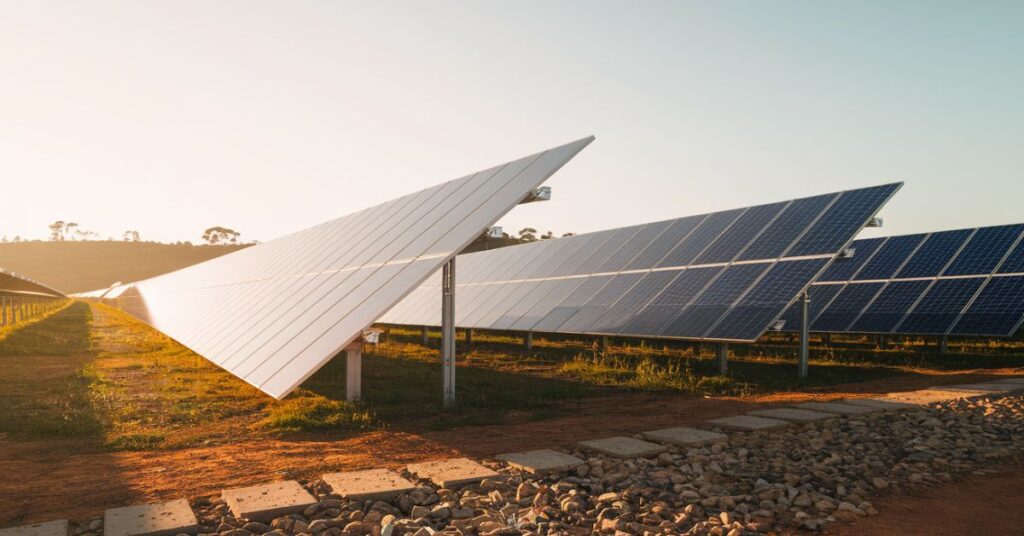
How Is Solar Energy Used in Australia? (2026 Guide)
In 2026 solar supplies around 20% of Australia electricity and powers 4.3 million homes. Here are the five ways Australia actually uses solar energy, with current figures.
Read article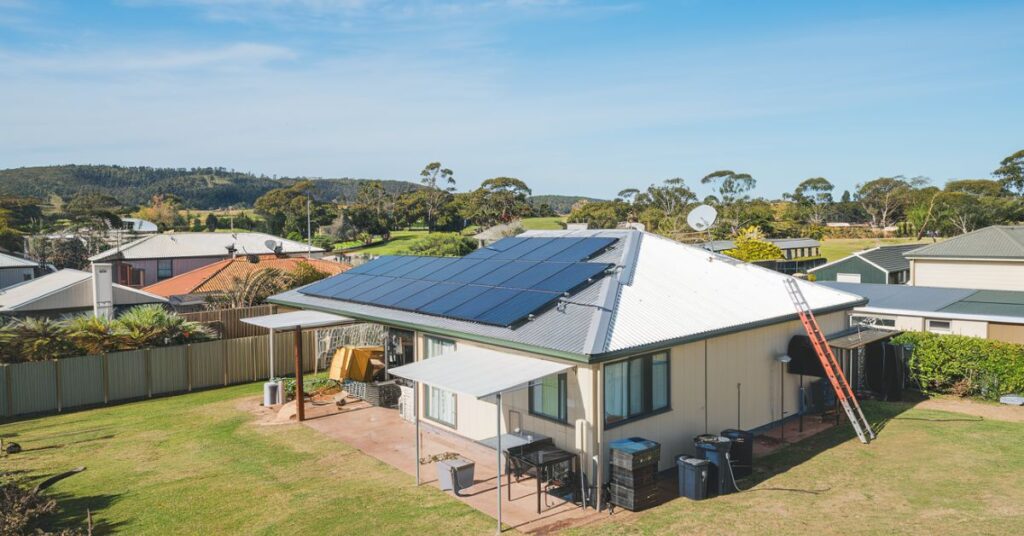
Which Energy Company Gives the Best Solar Rebate in Australia? (2026)
No retailer in Australia gives a solar rebate — the real money comes from the federal STC scheme and the new Cheaper Home Batteries Program. Here is what each is worth in Brisbane in 2026.
Read article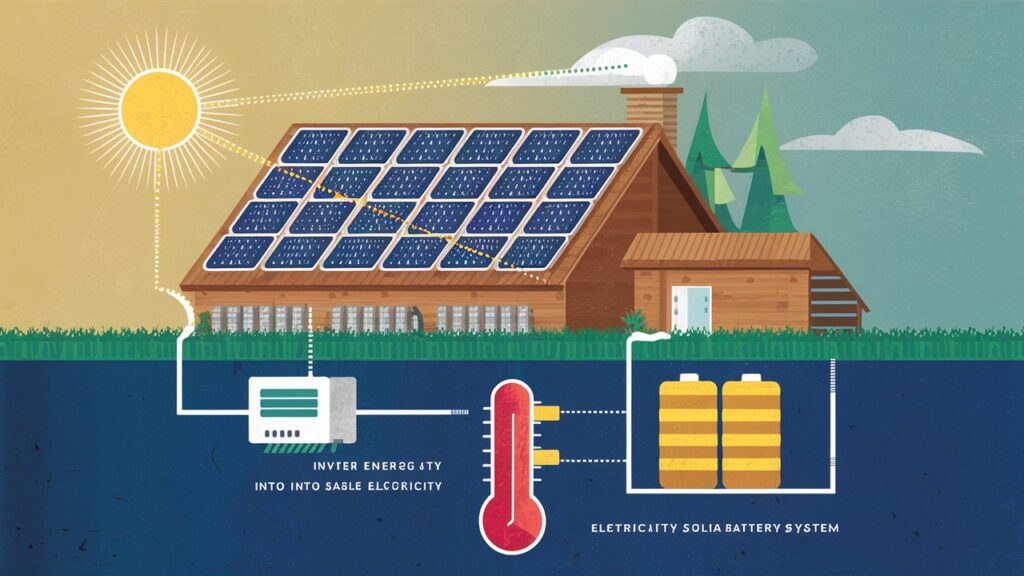
How Is Solar Energy Stored? (Australia 2026 Guide)
LFP lithium batteries store 95% of new home solar in Australia in 2026. Grid uses the same chemistry plus pumped hydro. Honest breakdown of every storage method actually used.
Read article